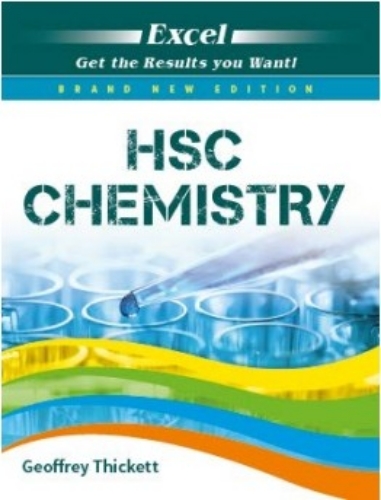
CHAPTERS: Module 5: Equilibrium Reactions
Chapter 1: Static and dynamic equilibrium
Chapter 2: Factors that affect equilibrium
Chapter 3: Calculating the equilibrium constant (Keq)
Chapter 4: Solution equilibria
Module 6: Acid–Base Reactions
Chapter 5: Properties of acids and bases
Chapter 6: Using Bønsted–Lowry theory
Chapter 7: Quantitative analysis
Module 7: Organic chemistry
Chapter 8: Nomenclature
Chapter 9: Hydrocarbons
Chapter 10: Products of reactions involving hydrocarbons
Chapter 11: Alcohols
Chapter 12: Reactions of organic acids and bases
Chapter 13: Polymers
Module 8: Applying chemical ideas
Chapter 14: Analysis of inorganic substances
Chapter 15: Analysis of organic substances
Chapter 16: Chemical synthesis and design Sample HSC Examination papers Answers Index Data sheet
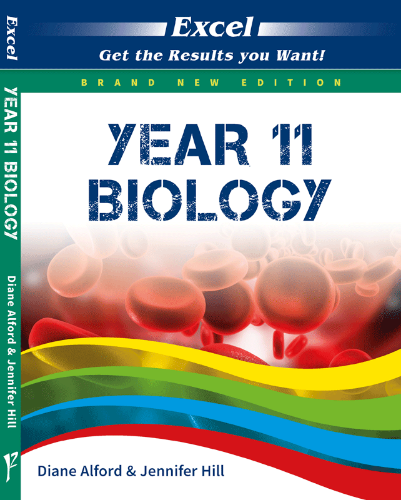
Features
· Syllabus dot points
· Key questions
· Key terms
· Investigations
· Syllabus checklists for each chapter
· Year 11 exam-type questions at the end of each chapter
· Two sample Year 11 examination papers
· Answers to all questions
· Presented in full-colour
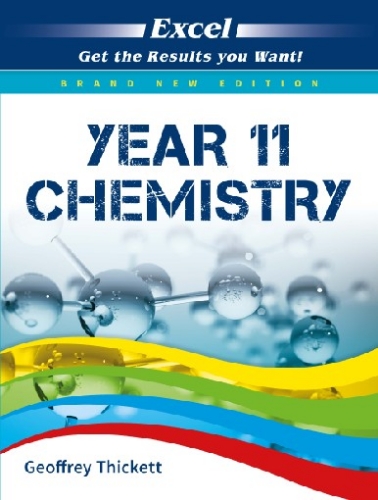
· Syllabus dot points
· Key questions
· Key terms
· Investigations
· Syllabus checklists for each chapter
· Year 11 exam-type questions at the end of each chapter
· Two sample Year 11 examination papers
· Answers to all questions
· Periodic Table and Data Sheet
· Presented in full-colour
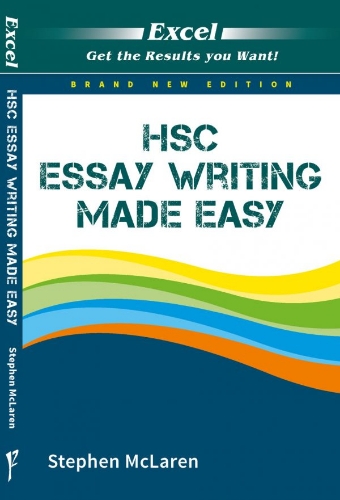
Excel HSC Essay Writing Made Easy offers an easy-to-follow, step-by-step guide to writing essays and extended responses, as well as help with essential writing skills useful in most other assessments.
No matter how well you know your subject, you will not get top marks if you cannot communicate your understanding in fluent, well-structured writing.

Free shipping for orders over $150

Hassle free returns

Contact our friendly team

Supporting education since 1958